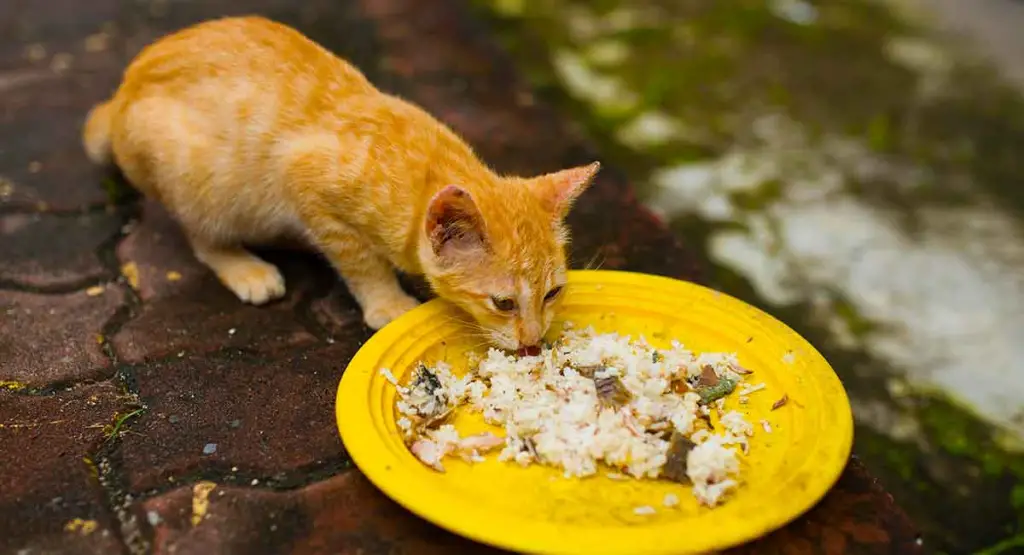
Many people like to share the food they eat with their cats. They feed them just about anything that the cat will eat, including rice, eggs, beans and vegetables. But are these foods, especially rice, a good idea for your cat?
Cats’ diets have seen a major evolution over the years. Since they are domestic animals that thrive on human attention, they tend to assume the lifestyle mainly lived by their owners. Cats will eat just about anything their human does, right from fruit, veges and meat. But did you actually know that cats are primarily carnivorous animals?
If your cat was still in the wild right now, it would be feeding on birds, tiny rodents and other fleshy animals. Cats have, however, learnt to eat other categories of food that are mostly human. And it is possible that their digestive systems have learnt to handle foods other than meat over time.
So, can your Persian cat eat rice? Well, the answer here is yes. But the million dollar question is, should it?
Rice is classified as a grain, and is scientifically considered a grass. The main component of rice is starch, but different types of rice differ in the amount of protein they contain. All in all, protein in rice is presented in very small amounts. Seeing that cats are predominantly carnivorous, it means that their diets should be high in protein. This is a clear indicator that rice may not exactly be a good fit for your cat.
How Does a High Rice Diet Affect your Persian Cat?
Persian cats are biologically similar to other cat species when it comes to gastrointestinal function. They have a high preference for meats such as chicken, beef and even fish. Many people have taken to feeding their cats human food, and a lot of people also prefer to make their own cat food mixes.
So what would happen if you fed your purry pal lots of rice?
Indigestion
What you may or may not know about these cute balls of fur is that they do not have the digestive enzyme called amylase. This enzyme is responsible for the digestion of starch and it converts it into carbohydrates. Rice falls under the grain category, and it has 80.4% carbohydrate component. Of this amount, 63% is starch.
Seeing that kittys have no ability to digest starchy foods, they may suffer painful indigestion in the long run. If you feed your Persian cat lots of rice on a daily, they may develop painful bloat and indigestion that could make it difficult to pass their stool.
Malnutrition
As already mentioned, cats are naturally inclined to eat meats. Meat is predominantly made of protein and fat. This is to mean that a cat’s main dietary needs involve a lot of protein and fat.
Having rice as the main component in their diet could make cats malnourished. This is because rice only contains 5% protein which is too little to make a significant contribution to your cat’s dietary needs.
Under what circumstances can you feed your cat rice?
When your cat has loose stool
When a cat has had food that is too runny or that has too much fat, their stool tends to get loose. It may not be particularly uncomfortable to the cat, but you may want to see it resume its usual stool consistency.
Rice has the ability to make the stool of your cat harder. It can be added to your cat’s regular food, especially if your cat loves wet food. In the case of dry food, mix it up with a little rice and add a bit of water so that your cat can feed easily.
The general rule of thumb when feeding your cat is that you should never feet it raw rice. It can cause your cat untold discomfort. Always serve the rice boiled if at all you have to.
As a filler
Rice has a tendency to make your cat’s food more filling. For this reason, it is added into the food before feeding your cat. Remember not to add in too much as you want to avoid the chances of indigestion and discomfort.
Always have in mind that your cat is not naturally inclined to eat grainy foods, and if you have to feed it rice, do not do it daily. It will not be of much value, especially nutritionally.
White rice vs. Brown rice for Persian cats
Many schools of thought have argued that brown rice is a healthier alternative for your feline friend because it has a higher protein, vitamin and mineral content than white rice. Well, this is accurate. But it is rice none the less. It still contains a significantly high amount of starch. The truth is that there are many protein based foods out there that can supplement your cat’s vitamin and mineral needs better than brown rice.
Oats as an alternative to Rice
For people that make their own cat food, oats seem like a better grain to feed cats. This is because they have a much higher protein content than white rice. They also have a myriad of minerals and vitamins that are highly beneficial to cats, along with great anti-oxidant properties.
However, they still have a really high amount of starch, and should, therefore be served in moderation.
So what should you be feeding your cat?
There is only one answer here – protein based foods, most preferably meats. Some of the best meats to feed your cat are;
- Beef in cubed or ground form
- Chicken, turkey and other poultry
- Pork
- Lamb
- White fish
Final Thoughts
Domesticated cats can be highly affectionate, and we at times form bonds with them that are special. And when you have a special friend around, all you want to do is give them the absolute best. Unfortunately, rice is not one of those things that you want to pamper your feline friend with. While it is used in cat food as a filler, it does not make a good dietary component. It is likely to do your kitty more harm than good.
Maria Giovanni

Maria Giovanni is a pet lover and does have a variety of pets at home, from the lapdogs to parrots and cats. The latter however seems to be her favorite because she operates a shelter that caters specifically to injured and stray cats. You can also leave your cat with her if you have to travel out of town for a longer period and don’t want to lock your cat inside. Over the years Maria has championed for the rights of animals, because of the many vices that are done to the defenseless animals around the world. Compiling information for the Simple Catguide was quite fulfilling because it allowed her to share knowledge on how best people can care for their pet cats.