
Cats might not talk like we do, but they’ve got their own ways of chatting with us. One of the sweetest ways they do this is through their eyes, especially with that slow, sleepy blink. It’s like a secret code, and once you figure out the cat slow blink meaning, you’ll feel like you’ve just unlocked a whole new level of understanding with your furry friend. Let’s decode what those blinks, stares, and half-closed eyes are really trying to tell you.
Key Takeaways
- A slow blink from your cat is their way of saying “I love and trust you.” Try blinking back to return the sentiment.
- When a cat’s pupils are wide and round in normal light, they’re likely feeling either very excited or quite scared. Check their body language to know which.
- An unblinking, intense stare from a cat can signal aggression or deep focus. It’s best not to engage in a staring contest.
- Half-closed, relaxed eyes indicate that your cat feels completely content and comfortable in their surroundings.
- Noticeable changes in your cat’s normal eye behavior, like constant squinting or discharge, could be signs of health issues that need a vet’s attention.
The Sweetest Sign: Understanding the Cat Slow Blink Meaning
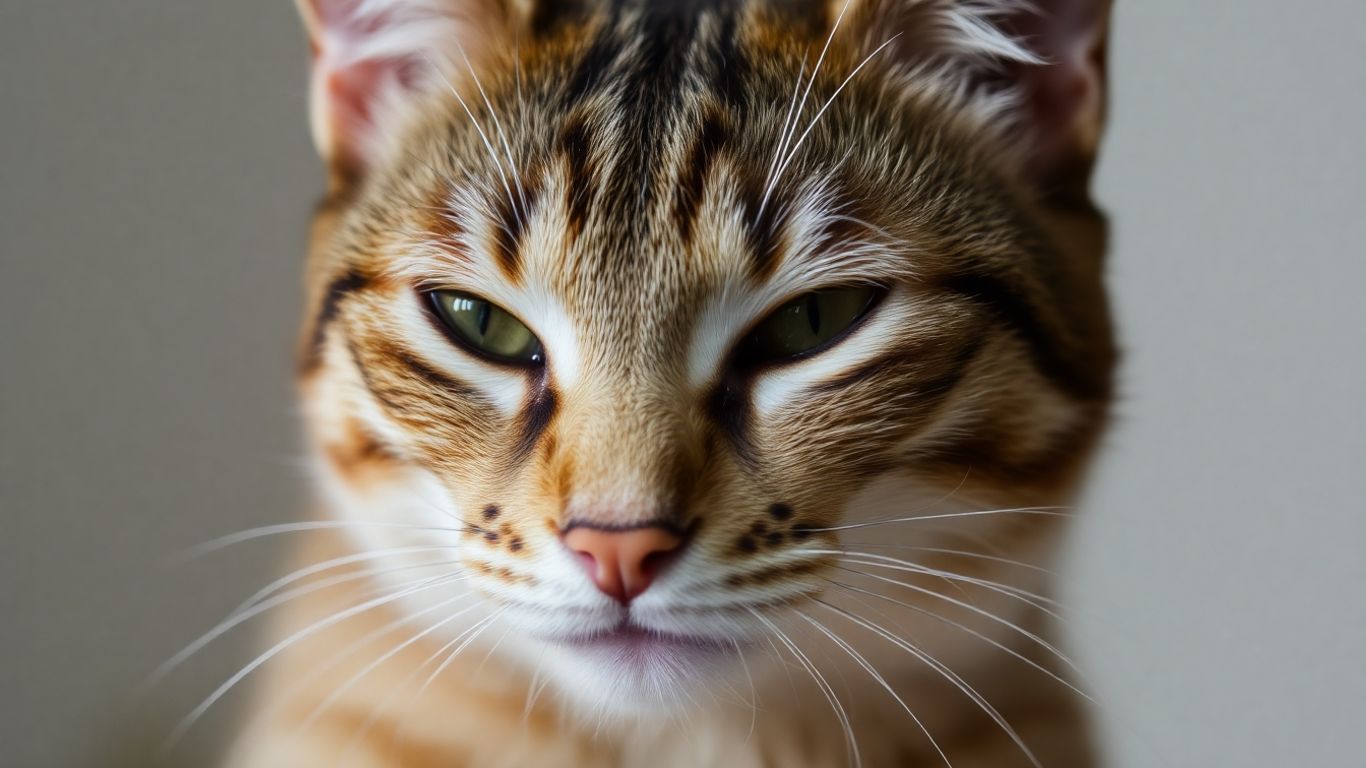
So, you’re chilling with your cat, maybe watching TV or just existing in the same room, and suddenly, they give you that slow, deliberate blink. It’s like a little eye-squish that makes you feel all warm and fuzzy inside. What’s the deal with that? Well, it turns out this isn’t just your cat being sleepy or having something in their eye. It’s actually one of the most direct ways they communicate affection and trust.
What Exactly Is a Slow Blink?
A slow blink is pretty much what it sounds like: a blink that takes longer than usual. Instead of a quick snap of the eyelids, your cat’s eyes will close slowly, sometimes partially, and then open back up just as gradually. It’s a very relaxed, almost dreamy-looking movement. Think of it as the feline equivalent of a gentle nod or a soft smile. It’s a sign that they feel comfortable and safe enough to momentarily lower their defenses.
Why Your Cat Offers This Affectionate Gesture
In the wild, closing your eyes, even for a second, leaves you vulnerable. A predator could be lurking, or a rival could make a move. So, when your cat slow-blinks at you, they’re essentially saying, “I trust you completely. I don’t feel threatened by you, and I feel safe enough to be a little bit exposed.” It’s a huge compliment! It means they see you as a non-threatening presence in their life, someone they can relax around. It’s a way of saying, “You’re part of my safe space.”
The Cat Slow Blink Meaning: A Sign of Trust
Ultimately, the slow blink is a profound expression of trust and affection. It’s a way for your cat to acknowledge your presence in a positive way and to communicate their contentment with the current situation. It’s like they’re sending you a little “kitty kiss” from across the room. It’s a quiet, intimate gesture that strengthens the bond between you and your feline friend. If your cat does this, it’s a clear indicator that they feel secure and happy in your company. It’s a beautiful way to build trust through reciprocity and show them you feel the same way.
Beyond the Blink: Other Ways Cats Communicate With Their Eyes
So, your cat is giving you the slow blink – awesome! That’s their version of a kitty kiss, a sign they feel totally safe and chill with you. But their eyes do a lot more than just that sweet gesture. They’re like little windows into their feline world, telling you all sorts of things if you know how to read them.
Pupil Power: What Dilated Eyes Really Mean
Ever notice your cat’s pupils suddenly go from tiny slits to big, dark saucers? It’s not just about the light, though that’s a big factor. When pupils get huge in normal lighting, it usually means your cat is either super excited or really, really scared. Think about it: when they’re playing with a favorite toy or spotting a bug, their pupils might expand. On the flip side, if a strange noise or a new person comes around, those big eyes can signal fear or anxiety. It’s all about their emotional state. Pay attention to their body language alongside the pupil size to get the full picture. If their tail is twitching playfully, it’s probably excitement. If they’re frozen or their fur is puffed up, they might be feeling threatened.
The Unblinking Stare: Aggression or Intense Focus?
That intense, unblinking stare can be a bit unnerving, right? For cats, this kind of direct eye contact, without any blinking, is often a sign of aggression or a serious territorial warning. It’s their way of saying, “I’m watching you, and I’m not happy about this.” It’s definitely not the time to try and have a staring contest, especially with a cat you don’t know well. It’s best to avoid challenging this stare. Casually looking away or offering a slow blink from a distance can help de-escalate the situation and signal that you’re not a threat. It’s like saying, “Hey, no hard feelings, we’re cool.”
Half-Closed Eyes: The Ultimate Sign of Contentment
When your cat’s eyes are relaxed and only half-closed, it’s pure bliss. This isn’t the same as a slow blink; it’s more like they’re dozing off but still aware of their surroundings. It means they are completely comfortable and at ease in their environment, feeling safe enough to let their guard down. This is prime time for gentle petting and quiet affection. They’re basically saying, “Ahhh, this is the life. I’m so happy right now.” It’s a wonderful moment to just be present with your cat and enjoy their peaceful vibes. You can even try a gentle slow blink back to reinforce that feeling of safety and connection.
Returning the Favor: How to Slow Blink Back
So, your cat just gave you the ultimate compliment – a slow blink. It’s their way of saying, “I trust you, I’m comfortable, and I dig your vibe.” But what do you do with this newfound knowledge? You blink back, of course! It’s like learning a secret handshake, but way more chill.
The Art of the Cat Kiss
Think of the slow blink as a “kitty kiss.” It’s a sign of affection and trust, and when you return it, you’re essentially saying, “Right back at ya, buddy!” It’s a simple gesture, but it can really strengthen your bond. This reciprocal blinking is a powerful non-verbal way to communicate your own feelings of safety and affection to your feline friend. It’s not complicated; just a gentle closing and opening of your eyes.
Creating a Secret Conversation
When you slow blink back at your cat, you’re initiating a conversation that bypasses all the usual meows and purrs. It’s a quiet moment of connection. Here’s how to get it right:
- Catch their eye: Wait for a moment when your cat is looking at you, not distracted by a rogue dust bunny.
- The slow blink: Gently close your eyes for a second or two, then slowly open them.
- Observe their reaction: Many cats will blink back, sometimes even multiple times. Others might just give a relaxed gaze, which is also a positive sign.
- Keep it casual: Don’t force it. If your cat isn’t receptive, don’t push it. Just try again another time. You’re building trust, not demanding a performance.
Building Trust Through Reciprocity
Returning the slow blink is more than just a cute trick; it’s a way to build a deeper connection. It shows your cat that you understand their language and respect their signals. Over time, these little exchanges can make your cat feel more secure and loved in your home. It’s a beautiful way to show your cat likes you, and you can start practicing this today. It’s a simple, yet profound, way to deepen your relationship with your furry companion, turning everyday moments into a shared language of trust and affection.
Decoding Your Cat’s Mood Through Their Eyes
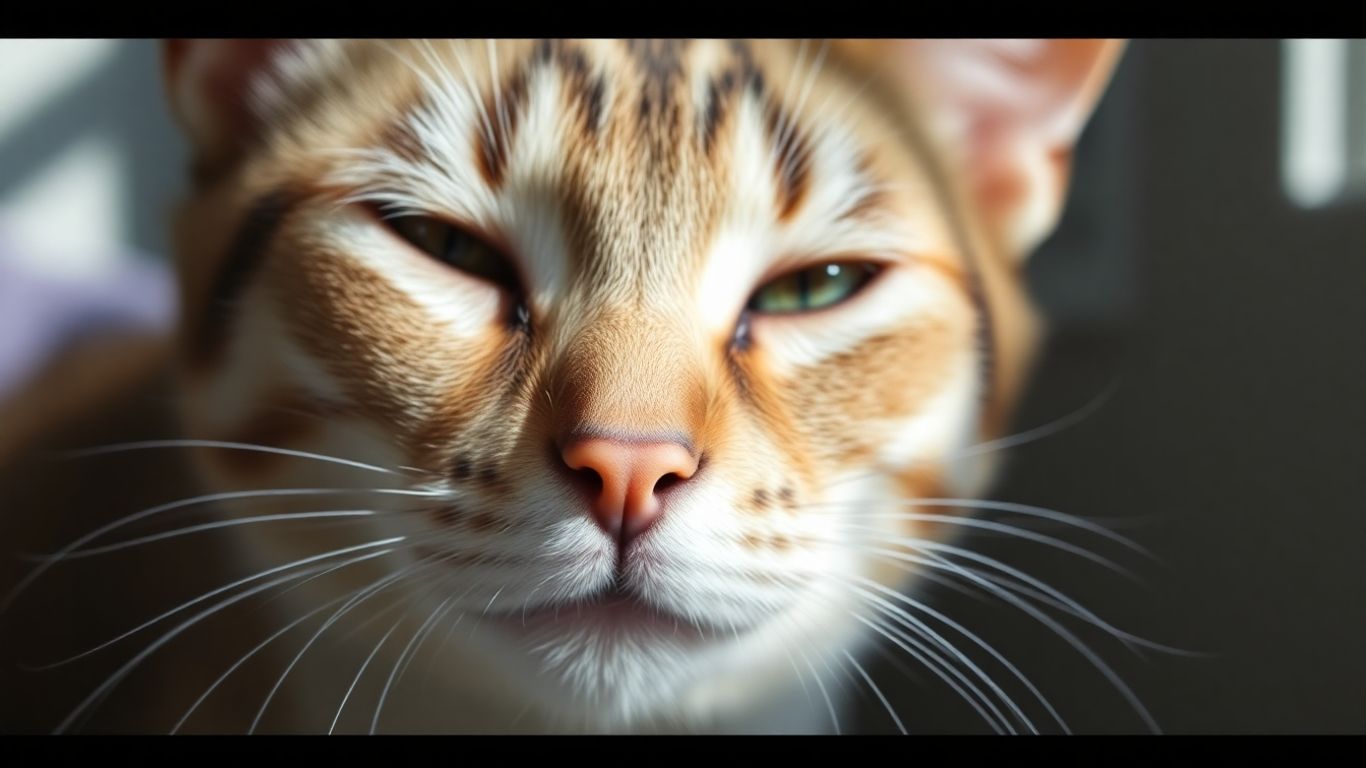
So, you’ve mastered the slow blink, but what else are those peepers telling you? Cats are masters of subtle communication, and their eyes are like little windows into their current state of mind. It’s not just about the slow, loving blinks; the size of their pupils, how wide they open their eyes, and even where they’re looking can give you a whole lot of information. Think of it as a secret language you’re learning, one blink and one stare at a time.
Narrow Pupils: Chill Vibes or Something More?
When your cat’s pupils shrink down to tiny slits, it usually means they’re feeling pretty relaxed and confident, especially if it’s bright out. It’s their way of saying, “Everything’s cool, I’m in control.” However, you need to pay attention to the context. If those pupils are like pinpricks in normal lighting, and your cat is also showing tense body language, it might be a sign they’re feeling a bit feisty or even aggressive. It’s like they’re focusing all their energy, and those tiny pupils are a signal of intense concentration, maybe before a playful pounce or a more serious territorial display. It’s always good to check their whole body language to figure out what’s really going on.
Big, Round Pupils: Excitement or Fear?
Those huge, dark circles that make your cat look like an alien? They’re usually a sign that your cat is experiencing something intense. In dim light, it’s normal – they’re just maximizing their vision. But if you see those dinner-plate pupils in regular lighting, your cat is definitely feeling something. It could be pure excitement, like when you’re shaking the treat bag or about to play their favorite game. On the flip side, it can also mean they’re scared or anxious. If your cat’s pupils suddenly get huge, take a moment to assess the situation. Is there a loud noise? A new person in the house? Or is it playtime? Their body language will give you the best clues. If they seem frozen or their tail is puffed up, it’s probably fear, and they might need some space. If they’re wiggling and playful, it’s likely excitement.
Rapidly Changing Pupils: What’s Going On?
This is where things get really interesting, and a bit trippy. Have you ever seen your cat’s pupils go from slits to full circles and back again in a matter of seconds? This rapid dilation and contraction often happens when they’re super interested in something or feeling a bit conflicted. Imagine your cat watching a bird outside. Their pupils might widen as they track its every move, then narrow slightly as they process the urge to chase, then widen again. It’s like their brain is going through a rapid-fire decision process: “Should I hunt? No, maybe not. Wait, yes! Bird!” This quick change can also happen when they’re playing or engaged in something stimulating. It’s a sign of high engagement and processing information at lightning speed. It’s fascinating to watch, and it shows just how much is going on inside their little heads. Observing these changes can really help you understand their immediate reactions to the world around them, and it’s a great way to strengthen your bond with your feline friend.
When to Worry: Eye Changes That Signal Health Issues
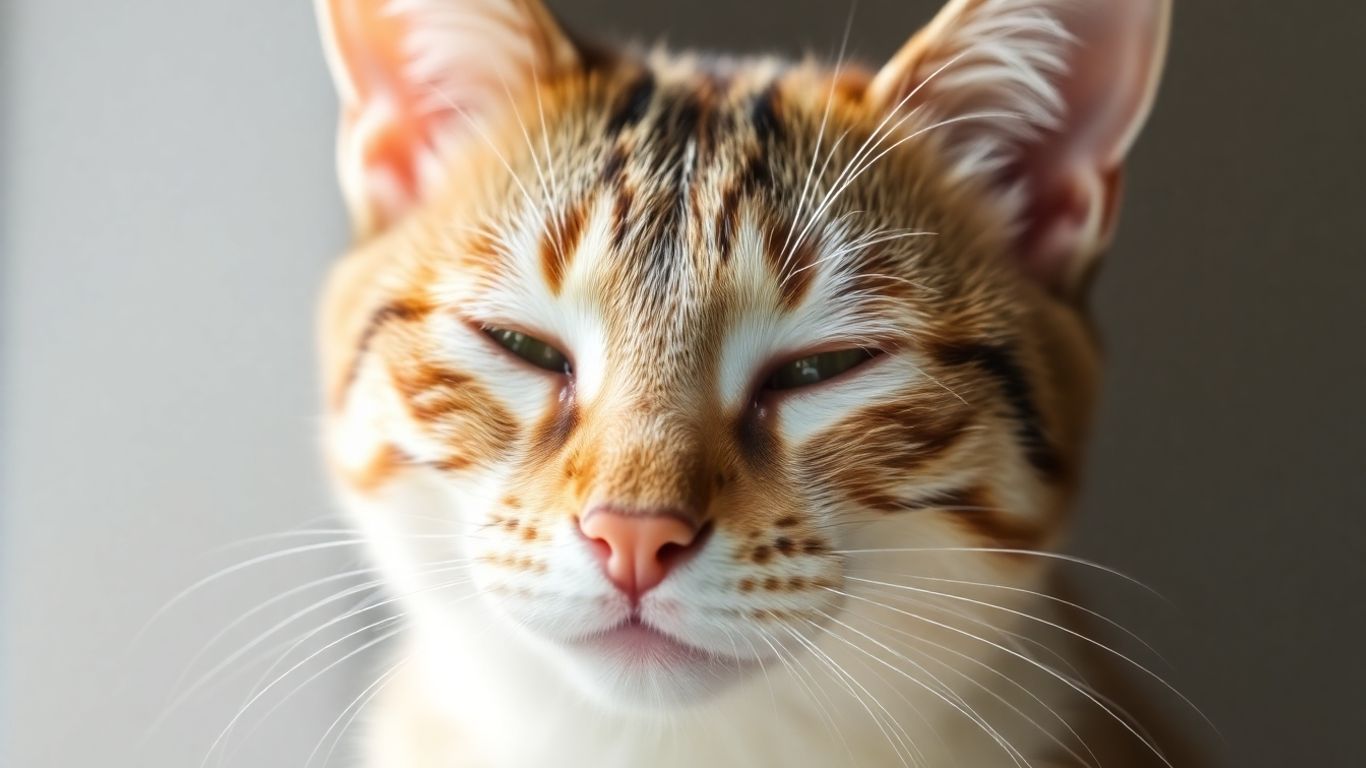
Okay, so we’ve talked a lot about the fun stuff – the slow blinks, the sleepy eyes, the whole nine yards of feline communication. But sometimes, your cat’s eyes aren’t just talking about their mood; they might be trying to tell you they’re not feeling so great. It’s super important to know the difference between a cute kitty quirk and a sign that something’s actually wrong.
Think of it like this: your cat’s eyes are like little windows, and when those windows look a bit foggy or are constantly watering, it’s a signal that maybe the view isn’t so clear for them either. Don’t just brush it off as them being dramatic or sleepy.
Persistent Squinting or Blinking
If your cat is squinting more than usual, or blinking in a way that looks more like they’re trying to keep their eyes open against their will, that’s a red flag. This isn’t the relaxed, loving slow blink we’ve been discussing. It’s more like a constant, uncomfortable flutter. This could mean something is irritating their eye, like dust, an allergy, or even a scratch.
Cloudy Eyes or Visible Third Eyelids
Ever notice a hazy or milky look to your cat’s eyes? Or maybe you can see that thin, inner eyelid (the third eyelid) peeking out more than it should? Normally, this little guy stays tucked away, only making a brief appearance. If it’s hanging around or the eye looks generally cloudy, it’s definitely time to pay attention. This can point to a range of issues, from infections to more serious conditions.
Discharge and Excessive Tearing
We all wake up with a little crust in the corner of our eyes sometimes, right? A tiny bit of morning gunk is usually no big deal. But if your cat’s eyes are constantly wet, or if there’s a noticeable discharge – whether it’s clear, yellow, or green – that’s a sign something’s up. Excessive tearing, or epiphora, can also indicate irritation or a blockage somewhere.
It’s easy to get caught up in the cute stuff, but when your cat’s eyes are acting weird, it’s their way of asking for help. Ignoring these signs could lead to bigger problems down the road, and nobody wants that for their furry friend.
When to Call the Vet
If you notice any of these symptoms, it’s best to get in touch with your veterinarian. They can properly diagnose the issue and get your cat the treatment they need.
- Constant squinting or blinking that doesn’t resemble a slow blink.
- Cloudy appearance in one or both eyes.
- Visible third eyelid for extended periods.
- Any discharge (clear, yellow, green) or excessive tearing.
- Sudden changes in pupil size that don’t match the lighting conditions.
Cat eye problems can sometimes get serious quickly, so don’t hesitate to reach out to your vet if you’re concerned. It’s always better to be safe than sorry when it comes to your cat’s health.
The Nuances of Feline Eye Contact
The Unblinking Stare: A Warning Sign
That intense, unblinking stare cats sometimes give can be a bit unnerving, right? You might wonder if they’re plotting world domination or just really fascinated by a dust bunny. This stare can signal a few things: aggression, fear, or just super-focused attention, like when they’re watching a bird outside. If cats stare at each other without blinking, it’s basically a
Eye Color and Communication: Does It Really Matter?
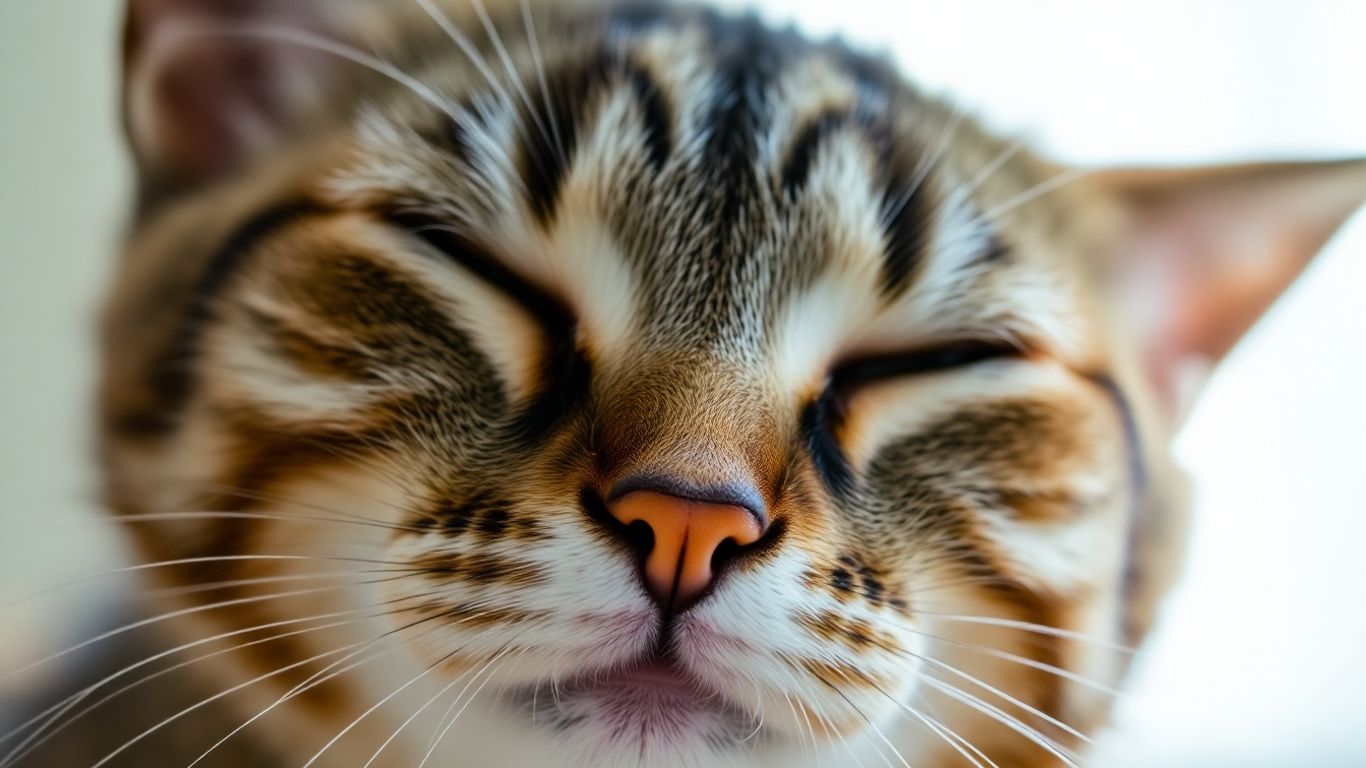
So, you’ve probably noticed your cat’s eyes are pretty captivating, right? Whether they’re a striking sapphire blue, a deep emerald green, or that warm, glowing copper, they’re hard to ignore. But does the actual color of those peepers change how your cat communicates with you? Honestly, not in a huge way, but there are some fun little details that might make their signals seem more obvious.
Blue Eyes and Dramatic Signals
Cats with those gorgeous blue eyes, especially breeds like Siamese or their cousins, sometimes seem to have more dramatic pupil changes. It’s like their emotions are broadcast on a bigger screen compared to other cats. Their signals can just be super apparent, making it easier to read their mood.
Copper and Amber Eyes: Striking Contrast
Then you have cats with copper or amber eyes. The communication here often feels more expressive because of the stark contrast between their warm-colored irises and those dark, mysterious pupils. It’s like their feelings are highlighted, making their expressions really pop.
Your Cat’s Unique Eye Language
But here’s the main thing to remember: no matter what color eyes your cat has, they’re all using the same basic language. The real magic happens when you get to know your cat’s specific expressions. My black cat’s green eyes have a totally different ‘setting’ than my neighbor’s orange tabby. It’s like learning a special dialect that’s just for your furry roommate. You might notice changes in their vocalizations, like a sudden shift from meowing to squeaking, which could be a sign of something more.
The most important part of understanding your cat’s eye communication isn’t the color of their iris, but rather observing their individual baseline. What looks like a relaxed half-blink on one cat might be a sign of discomfort on another. Paying attention to your cat’s normal behavior is key to spotting when something is off.
So, while eye color can add a bit of flair to how your cat’s emotions are displayed, it’s their individual personality and your bond that truly shape their unique way of talking to you through their eyes.
Putting It All Together: Strengthening Your Bond
So, we’ve talked about what those slow blinks mean, how to read other eye signals, and even how to blink back. Now, let’s tie it all together and really build that amazing connection with your cat. It’s not just about understanding them; it’s about actively participating in their world.
Daily Slow Blink Sessions
Think of these as your daily ‘hello’ and ‘goodbye’ with your cat, a little moment just for the two of you. It’s a simple yet powerful way to reinforce that feeling of safety and trust. When you’re just hanging out, maybe reading a book or watching TV, take a moment to offer a slow blink. Don’t force it; just a gentle, relaxed closing and opening of your eyes. See if your cat responds. Often, they’ll blink back, and that’s your cue that they’re feeling good and connected with you. It’s like a little secret handshake, a silent acknowledgment of your bond. This consistent, gentle communication can really make a difference in how secure your cat feels around you.
Observing Your Cat’s Baseline
Every cat is an individual, and what’s normal for one might be a bit different for another. You know your cat best, so pay attention to their usual eye behavior. Are they naturally a big blinker, or do they tend to hold eye contact? What do their pupils usually look like when they’re relaxed versus when they’re excited about a toy? Understanding your cat’s typical ‘eye language’ is key to spotting when something might be off. If your cat suddenly starts squinting a lot, or their pupils are constantly dilated when they’re usually calm, it’s worth paying closer attention. It could be a sign of discomfort, stress, or even a health issue. It’s like learning a new language; you start with the basics and then pick up on the nuances.
Beyond the Eyes: A Holistic Approach
While we’ve focused a lot on eyes, remember that cats communicate with their whole bodies. A slow blink is fantastic, but it’s even more meaningful when paired with other positive signals. Think about their tail position (is it held high with a little curl?), their body posture (are they relaxed and wiggly, or tense?), and their vocalizations (are they purring or making soft chirps?).
Here are a few other ways cats show they’re comfortable and happy with you:
- Kneading: That rhythmic pushing with their paws is a throwback to kittenhood, showing they feel safe and nurtured.
- Grooming You: When your cat licks you, it’s a sign they consider you part of their family, marking you with their scent.
- Sleeping Near You: If your cat chooses to nap on or near you, it’s a huge compliment. They feel secure enough to be vulnerable.
- Bringing ‘Gifts’: While sometimes unpleasant, bringing you a toy or even a bug is their way of sharing their ‘prey’ with their trusted human.
Building a strong relationship with your cat is an ongoing process. It involves patience, observation, and a willingness to meet them on their terms. By consistently practicing gentle communication, like the slow blink, and paying attention to their overall body language, you create a foundation of trust and mutual respect. This deeper connection goes beyond just providing food and shelter; it’s about truly understanding and being understood by your feline companion. It’s a beautiful, quiet conversation that strengthens your bond with every shared glance.
Remember, if you ever notice significant changes in your cat’s eyes, like persistent squinting, discharge, or cloudiness, it’s always best to consult with your veterinarian. They can help rule out any underlying health concerns. For more on understanding feline affection, you can check out resources on cat behavior.
So, What’s the Takeaway?
Alright, so we’ve gone through all the eye stuff – the blinks, the stares, the big ol’ pupils. It turns out our cats are basically talking to us with their eyes all the time. Who knew? That slow blink? Totally a “love ya” from your furry buddy. And those wide eyes? Could be excitement, could be fear, so you gotta check what else they’re doing. Basically, pay attention to your cat’s eyes, and you’ll get a much better idea of what’s going on in their little heads. It’s like having a secret decoder ring for your cat. And hey, if their eyes look weird or they’re squinting a lot, maybe give the vet a call. But for the most part, just keep blinking back at them. It’s a pretty cool way to connect, right?
Frequently Asked Questions
What does it mean when my cat blinks slowly at me?
When your cat gives you a slow blink, it’s like they’re sending you a ‘kitty kiss’! It’s a sign that they feel safe and trust you. In the wild, closing their eyes means they’re vulnerable, so doing it around you is a big compliment. It’s their way of saying, ‘You’re not a threat, and I feel comfortable.’
How can I blink back at my cat?
You can totally ‘talk’ back to your cat using slow blinks! Just catch their eye, then slowly close your eyes for a moment, and then open them again. Many cats will blink back, and it’s like having a secret, loving conversation. It’s a great way to show them you trust them too.
Why are my cat’s pupils suddenly huge?
Big, round pupils can mean a few things. In dim light, it’s normal because cats see better in the dark. But if their pupils are like dinner plates in normal lighting, they’re probably feeling something big! It could be excitement, like when you’re about to give them a treat, or it could be fear or surprise if something startled them. Look at their body language to figure out which it is.
What if my cat stares at me without blinking?
An unblinking, intense stare from a cat can be a warning sign. It often means they’re feeling aggressive, defensive, or are super focused on something they see as a threat or prey. It’s best not to stare back, as that can be seen as a challenge. Try looking away casually or giving a slow blink to show you’re not a threat.
Are half-closed eyes a good sign?
Yes, absolutely! When your cat’s eyes are half-closed, giving them a sleepy or relaxed look, it means they are very content and comfortable. They feel safe enough to let their guard down and are probably just enjoying a peaceful moment. It’s prime time for gentle petting!
When should I be worried about my cat’s eyes?
You should pay attention if your cat is squinting or blinking a lot (more than just the loving slow blink), if their eyes look cloudy, if you see their third eyelid showing, or if there’s any discharge or excessive tearing. Also, if their pupils seem stuck wide open or tiny all the time, or if they suddenly avoid eye contact, it’s a good idea to call your vet.
Does my cat’s eye color matter for communication?
While certain eye colors, like blue or copper, can make signals more noticeable due to contrast, your cat’s eye color doesn’t change the basic language of their eyes. All cats use blinks, pupil changes, and stares to communicate. The most important thing is to learn your individual cat’s normal expressions.
What’s the best way to strengthen my bond with my cat using their eyes?
Regular ‘slow blink sessions’ are fantastic! Make it a daily ritual to catch your cat’s eye and give them a slow blink, then wait for them to respond. Also, pay attention to their usual eye behavior so you can spot when something might be wrong. Understanding their eye language is a powerful way to connect with them on a deeper level.
Maria Giovanni

Maria Giovanni is a pet lover and does have a variety of pets at home, from the lapdogs to parrots and cats. The latter however seems to be her favorite because she operates a shelter that caters specifically to injured and stray cats. You can also leave your cat with her if you have to travel out of town for a longer period and don’t want to lock your cat inside. Over the years Maria has championed for the rights of animals, because of the many vices that are done to the defenseless animals around the world. Compiling information for the Simple Catguide was quite fulfilling because it allowed her to share knowledge on how best people can care for their pet cats.


